

Choosing the right credit card in the UK can help you save money and manage your finances more effectively. However, with dozens of options available, the best card depends on how you plan to use it—whether that’s transferring balances, everyday spending, travelling abroad, or improving your credit score.
In this guide, we review selected UK credit cards for 2026, highlighting who each card is best suited for, key benefits, eligibility requirements, and important interest rates and fees.
Top pick
1st
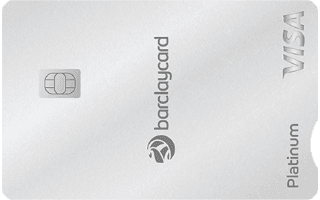
Barclaycard Balance Transfer -
Best for managing existing debt
0% on balance transfers from 14 to 36 months and 0% on purchases up to 22 months
2nd
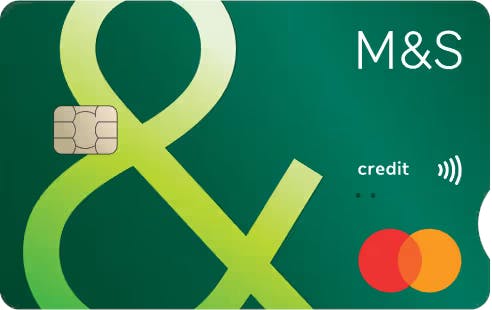
M&S Reward -
Best for rewards
Earn vouchers on regular spending, and interest-free credit when you pay in full. No annual fee.
3rd
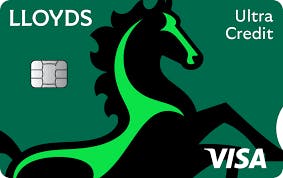
Lloyds Ultra -
Best for every day use & travel
1% cashback in the first year and no foreign exchange fees.
Disclaimer: Information is accurate as of January 2026 and sourced from each provider’s official website. Details are subject to change. Always check the provider’s website and terms before applying. This content is for information only and does not constitute financial advice.
1
Barclaycard Balance Transfer Card
Suitable for: Those looking to consolidate existing credit card balances and reduce interest costs over a varying repayment period.
Barclays PLC is a British multinational universal bank headquartered in London. Barclaycard is their consumer credit card brand, offering a range of options designed for everyday spending, purchases, and balance transfers.
Barclaycard Platinum balance transfer Visa credit cards are available with varying 0% interest periods from 14 to 36 months, and different transfer fees and offers.
| Key Benefits |
|
| Eligibility |
|
| Key Interest & Fee |
|
2
M&S Reward Credit Card
Suitable for: Those who want to earn rewards points on everyday spending
Marks & Spencer (M&S) is a UK retail store that also offers financial products through Marks & Spencer Financial Services plc, trading as M&S Bank and operated by HSBC UK.
M&S Bank provides personal banking products, including the M&S Rewards Mastercard® Credit Card, which lets cardholders earn rewards points redeemable as vouchers for in-store or online use. The card also offers flexible interest-free periods and additional benefits.
| Key Benefits |
|
| Eligibility |
|
| Key Interest & Fee |
|
3
Lloyds Ultra Credit Card
Suitable for: Day-to-day spending and overseas spending
Lloyds Bank is one of the UK’s major retail and commercial banks, widely recognised as part of the “Big Four” clearing banks. Lloyds Bank offer several options for credit cards. The Lloyds Ultra Visa Credit Card is one of the newest choices, designed for everyday use with lower interest rates, while also offering added perks for overseas spending.
| Key Benefits |
|
| Eligibility |
|
| Key Interest & Fee |
|
4
NatWest Travel Reward Credit Card
Suitable for: Travellers who prefer a straightforward rewards card without foreign transaction fees.
The NatWest Travel Reward Visa Credit is offered by the National Westminster Bank, commonly known as NatWest, one of the UK’s largest retail and commercial banks headquartered in London. The card is designed for customers who want to earn rewards on travel-related expenses while avoiding foreign transaction fees when spending abroad.
| Key Benefits |
|
| Eligibility |
|
| Key Interest & Fee |
Fees may still apply for cash withdrawals, money advances, or charges applied by an overseas ATM. |
5
Tesco Foundation Credit Card
Suitable for: Build or improve your credit while earning rewards on your spending.
Tesco Bank, a British retail banking brand under Barclays, was launched through a joint venture with The Royal Bank of Scotland and Tesco, the UK’s largest supermarket. They offer a range of personal banking products and credit card options. The Tesco Foundation Mastercard® Credit Card is one designed specifically for credit building.
| Key Benefits |
|
| Eligibility |
|
| Key Interest & Fee |
|
Types of Credit Cards
Credit cards are designed for various purposes, and selecting the right type depends on what you want to achieve.
1. Balance Transfer Credit Cards let you move debt from one card to another with a lower or 0% interest rate for a set period. When you transfer your balance, the new card pays off the old one, and you repay under the new, lower interest terms. A transfer fee applies, typically between 1% and 4% of the transferred amount.
2. Money Transfer Credit Cards are similar to balance transfer cards, but instead of moving debt from card to card, they let you transfer money from the credit card directly into your bank account. You can then use that money to pay off loans or overdrafts. The transferred amount becomes credit card debt instead, usually with a limited low-interest period and a transfer fee.
3. Purchase Credit Cards offer 0% interest on new purchases for a limited time. This means you can spread the cost of a large purchase without paying interest immediately. However, once the interest-free period ends, any remaining balance starts accruing interest at the standard rate.
4. Rewards and Cashback Credit Cards give back on your spending. You earn cashback, points, or vouchers as you spend. To benefit fully, you should pay off the balance in full each month. If you carry a balance, a high interest rate can quickly outweigh any rewards.
5. Travel Credit Cards are designed for travelling and spending abroad. They usually waive foreign exchange fees and may offer competitive exchange rates. These cards also sometimes include travel perks, such as air miles, insurance, or access to airport lounges.
6. Credit Builder Credit Cards are designed for people with little or poor credit history. The card typically comes with a higher interest rate and a lower credit limit, but flexible eligibility. By using the card responsibly, you demonstrate good credit behaviour. Over time, this positive activity can improve your credit score, making it easier to qualify for larger credit cards, better interest rates and a higher credit limit in the future. Some cards may also offer small rewards, but their primary purpose is to help build or repair credit.
The Benefits and Drawbacks of Credit Cards
Benefits
✔️ Access to rewards, cashback, or travel benefits depending on the card
✔️ Short-term borrowing without interest when balances are cleared within an interest-free period
✔️ Legal protection on purchases over £100 under Section 75 of the Consumer Credit Act
✔️ Helps build a positive credit history when payments are made on time, which can make it easier to access other financing in the future
Drawbacks
❌Interest rates can add up, and can be high once promotional periods end
❌Balance transfer fees and cash withdrawal fees can apply
❌ Missed and late payments can harm your credit score and lead to higher interest rates.
❌Credit may encourage overspending
How to Apply for a Credit Card in the UK
Applying for a credit card in the UK involves choosing the right card, checking your eligibility, and submitting accurate information.
Choose the Right Credit Card
Start by considering how you’ll use the card and choose the right types.
➡️ If you want a lower interest rate on your debt, choose a Balance Transfer Card. This lets you transfer your balance to a card with a lower or 0% interest rate for a set period, helping you save on interest while you pay down debt.
➡️ If you want to spread the cost of a large purchase, choose a Purchase Card. These cards offer 0% interest on new purchases for a limited time
➡️ If you want to earn on everyday spending, choose a Rewards or Cashback Card.
➡️ If you travel frequently or spend time abroad, choose a travel credit card that waives foreign transaction fees and includes travel perks.
➡️ If you are building or repairing credit, choose a Credit Builder Card. These have lower credit limits and flexible eligibility, helping you demonstrate responsible use and improve your credit score over time.
Check both interest rates and fees. A 0% interest offer may sound appealing, but the fees could be high. For example, balance transfer cards often charge fees of 1%-4% on the transferred amount. Similarly, fee-free cards often have interest elsewhere.
Interest rates on credit cards are shown as an APR, which stands for Annual Percentage Rate and represents the yearly cost of borrowing. The APR shown is a representative rate, meaning it is not guaranteed. The exact interest rate you get can be higher or lower, depending on your credit report and the lender’s assessment. The APR also assumes you carry a balance for a full year, which may not reflect how you actually use the card.

Tip: Mastercard® and Visa are broadly accepted across the UK. American Express (Amex) is also commonly accepted at major retailers, hotels, and restaurants.
Use Eligibility Check
Most UK credit card providers offer an online eligibility checker as a pre-application step. This runs a soft credit check and gives an indication of your approval chances without affecting your credit score.
If your likelihood of approval is low, it is better to avoid applying and consider alternative cards instead. A rejected application results in a hard credit search that remains on your credit file and can reduce your chances with other lenders.
Prepare Accurate Information
Gather your details and apply. You will need to provide your personal information, address, employment status, income, financial details, and the purpose of getting a credit card. Lenders may also ask about your existing debt and credit commitments.
Time Your Credit Card Applications
Once all information is ready, you can start applying for your credit card online via the bank's website.
It’s recommended to space out new credit applications using the 2-2-2 credit rule: wait 2 years after a bankruptcy, 2 months after opening a new account, and 2 weeks between credit applications to improve approval chances. It is not an official lender rule but a common credit management tip.
Additionally, limit how often you open new credit cards by following the 2-3-4 rule: no more than 2 new cards in 30 days, 3 in 12 months, and 4 in 24 months.
How Lenders Decide if You Qualify for a Credit Card
When you apply for a credit card, lenders assess your eligibility to determine the risk of lending to you. They look at several factors:
- Credit History: They check your past borrowing and repayment behaviour. A strong record of on-time payments improves your chances of approval.
- Credit Score: This number summarises your creditworthiness into a metric. In the UK, what counts as a “good” credit score depends on the credit reference agency (CRA), as each uses a different scoring range. A good score in the UK is typically 881+ with Experian, 670+ with Equifax, or 661+ with TransUnion. Scores above these ranges are considered very good to excellent, while scores below them fall into fair or poor categories.
- Income and Employment: Lenders want to ensure you have enough income to repay what you borrow. They may ask for proof of income or employment.
- Existing Debts: They consider your current debts and how much of your available credit you are already using. High debt levels can affect approval.
- Recent Applications: Multiple recent credit applications can signal higher risk and may reduce your chances of approval.
Essential Tips for Managing Your Credit Card
- Pay at least the minimum monthly payment on time to avoid fees and protect your credit score.
- Paying the full balance each month helps reduce interest costs.
- Avoid cash withdrawals unless necessary, as they usually come with high fees and high interest.
- Set up a direct debit to ensure repayments are made on time. Missed payments can lead to fees and damage your credit score.
- Keep your credit usage low, ideally below 30% of your limit.
- Regularly check your statements or app to monitor spending and spot issues early
Final Note
To choose the right card, it's important to assess your financial situation and requirements closely. Identify the card that aligns with your needs and thoroughly review its terms and conditions and promotional offers before applying.
Maintaining a healthy consumer credit score is key. Ensure to pay your bills promptly and in full to avoid interest charges that can diminish the benefits of any rewards.

Was this article helpful?
Yes
No
FAQs
Which credit card is the best in the UK?
The top credit cards in our list are: Barclaycard Balance Transfer Card, M&S Reward Credit Card, Lloyds Ultra Credit Card, NatWest Travel Reward Credit Card, and Tesco Foundation Credit Card.


